


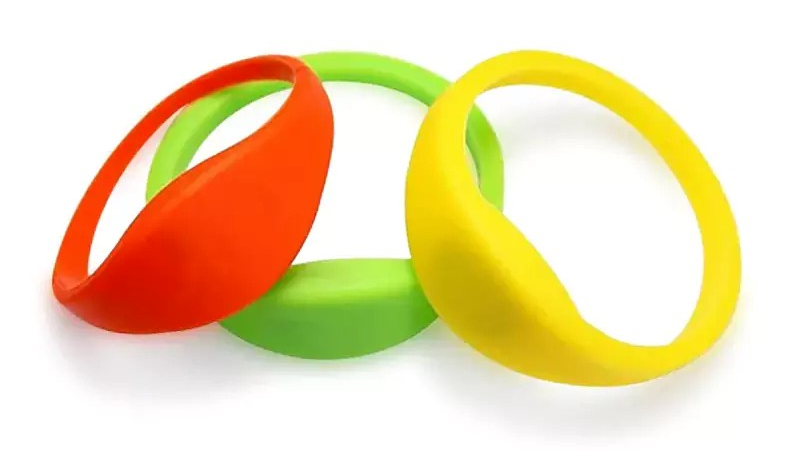
Waterpark operators face a critical decision when selecting wristband technology for their facilities. The choice between custom silicone and fabric wristbands directly impacts guest experience, operational efficiency, and bottom-line profitability. With millions of visitors annually subjecting these wristbands to chlorinated water, intense sun exposure, and constant physical activity, durability becomes paramount.
Modern waterparks require more than simple admission bands. Today’s RFID Wristbands serve as cashless payment systems, locker keys, photo identification tools, and queue management devices. The material you choose determines how well these functions perform under extreme conditions.
This comparison examines the strengths and limitations of both silicone and fabric options, providing waterpark managers with concrete criteria for making an informed decision. From initial investment costs to long-term durability metrics, we’ll explore which material delivers superior performance in aquatic environments.
Material Composition and Manufacturing Differences
Silicone wristbands start as liquid silicone rubber (LSR) injected into precision molds at temperatures exceeding 300°F. This process creates a uniform, non-porous surface that resists water absorption completely. The RFID chip sits protected within the silicone matrix, sealed from environmental exposure. Manufacturing tolerances reach ±0.1mm, ensuring consistent chip placement and signal strength across production runs.
Fabric wristbands combine woven polyester with a plastic or vinyl RFID tag holder. The weaving process uses 150-200 denier threads, creating a textile surface that feels familiar against skin. Manufacturers typically apply a water-resistant coating, though this treatment degrades after 50-100 wash cycles or equivalent water exposure. The RFID chip housing attaches via ultrasonic welding or adhesive bonding, creating potential failure points.
The fundamental structural differences manifest immediately in aquatic environments. Silicone maintains its properties whether dry or submerged for weeks. Fabric absorbs 8-12% of its weight in water during the first hour of exposure, affecting both comfort and hygiene.
Durability in Aquatic Environments
Chemical Resistance
Silicone demonstrates exceptional resistance to chlorine concentrations typical in waterparks (1-3 ppm). Testing shows less than 2% degradation in tensile strength after 1,000 hours of continuous chlorinated water exposure. The material remains flexible at temperatures from -40°F to 400°F, far exceeding any waterpark operating conditions.
Fabric wristbands face greater challenges. Chlorine breaks down polyester fibers gradually, causing fraying after 200-300 hours of exposure. The water-resistant coatings fail first, usually within 40-60 hours of continuous immersion. Once water penetrates the weave, bacterial growth becomes possible, creating hygiene concerns for multi-day use.
Physical Wear Testing
Independent testing reveals silicone wristbands survive 50,000+ flex cycles without cracking. The smooth surface resists abrasion from pool edges, slide surfaces, and repeated contact with rough textures. Color pigments embedded throughout the material prevent fading, maintaining brand visibility throughout the season.
Fabric bands show wear patterns after 5,000-8,000 flex cycles. Thread loosening appears first at stress points near the RFID housing. Abrasion from concrete pool decks accelerates deterioration, with visible pilling occurring within days of heavy use.
Cost Analysis for High-Volume Operations
Initial procurement costs favor fabric significantly. Bulk orders of 10,000 units typically price fabric wristbands at $0.45-0.65 per unit, while silicone ranges from $0.85-1.20. However, this comparison shifts when considering total cost of ownership.
Silicone wristbands support multiple uses through sanitization protocols. A single band survives 20-30 guest uses with proper cleaning between applications. This reusability drops the effective per-use cost to $0.04-0.06. Fabric bands rarely survive beyond single-day use in waterpark conditions, maintaining their higher per-guest cost.
Labor expenses compound the difference. Staff spend 3-5 seconds applying a silicone wristband versus 8-12 seconds for fabric versions requiring precise adjustment and locking mechanisms. For a park processing 5,000 daily admissions, this translates to 4-8 additional labor hours daily.
Guest Comfort and User Experience
Skin Contact and Allergies
Medical-grade silicone used in quality wristbands remains hypoallergenic for 99.7% of users. The non-porous surface prevents bacterial colonization, reducing infection risks. Smooth edges eliminate chafing, even during extended wear periods.
Fabric bands present mixed comfort results. While initially softer, wet fabric becomes heavy and slow-drying. Approximately 3% of guests experience irritation from fabric dyes or coating chemicals. The textile surface harbors bacteria more readily, particularly problematic for immunocompromised visitors.
Adjustability and Fit
Silicone bands typically offer 8-12 adjustment holes spanning wrist circumferences from 5.5″ to 8.5″. The material’s stretch accommodates minor size variations between holes. One-piece construction eliminates loose ends that snag on equipment.
Fabric wristbands provide infinite adjustment within their length range but require excess material management. Loose ends create entanglement hazards on water slides and wave pool equipment. Some facilities report 15-20 daily incidents involving fabric wristband snags.
RFID Performance and Technology Integration
The encapsulation method significantly impacts RFID chip longevity and read range. Silicone’s uniform density provides consistent signal propagation, maintaining read distances of 3-5 feet throughout the wristband’s lifecycle. The sealed environment protects chips from moisture infiltration, preserving data integrity.
Fabric wristbands show greater signal variability. Water absorption alters the dielectric properties around the antenna, reducing read range by 20-40% when saturated. The ability to Rewrite RFID tag data becomes crucial for reassigning damaged bands, though this adds operational complexity.
Temperature fluctuations affect both materials differently. Silicone maintains stable RFID performance from 32°F to 120°F. Fabric bands experience temporary read failures when transitioning between air-conditioned indoor spaces and hot outdoor areas, as condensation forms within the chip housing.
Frequently Asked Questions
How long do silicone RFID wristbands last in chlorinated water?
Quality silicone wristbands maintain full functionality for 6-12 months of daily chlorinated water exposure. The RFID chip remains protected indefinitely when properly encapsulated, with the silicone material showing minimal degradation even after thousands of hours in standard pool chemicals.
Can fabric wristbands be sanitized between users?
Fabric wristbands resist most sanitization methods suitable for quick turnaround. Alcohol-based sanitizers degrade the water-resistant coating, while UV exposure breaks down polyester fibers. Heat sterilization warps the RFID chip housing. Most facilities treat fabric as single-use items.
What’s the minimum order quantity difference between materials?
Silicone wristbands typically require 500-1,000 piece minimums for custom colors and branding. Fabric minimums start around 100-300 pieces, making them attractive for special events or limited trials. However, the per-unit cost drops more dramatically for silicone at volumes above 5,000 units.
Do silicone wristbands work with all RFID systems?
Both materials accommodate standard RFID chip types including MIFARE Classic, DESFire, and NTAG series. Silicone offers better protection for higher-frequency chips (13.56 MHz) commonly used in payment applications. The consistent encapsulation improves compatibility with diverse reader hardware.
How do replacement rates compare between materials?
Waterparks report replacing 2-5% of silicone wristbands monthly due to loss or damage. Fabric wristband replacement reaches 95-100% for daily admission bands, though some facilities achieve 60-70% recovery rates for season pass holders who maintain their bands carefully.
Which material offers better customization options?
Silicone provides superior color matching with Pantone precision and maintains vibrancy longer. Debossed or embossed logos remain visible throughout the product lifecycle. Fabric offers full-color sublimation printing but experiences significant fading after 20-30 hours of sun and water exposure.
Conclusion
The evidence strongly favors custom silicone wristbands for waterpark applications where durability drives value. While fabric options present lower initial costs, their single-use nature and rapid degradation in aquatic environments negate any procurement savings. Silicone’s reusability, combined with superior guest comfort and consistent RFID performance, delivers lower total ownership costs for facilities processing thousands of daily visitors.
Waterpark operators should evaluate their specific operational priorities when making this decision. Facilities prioritizing sustainability and long-term cost efficiency will find silicone’s durability compelling. Those running limited-season operations or special events might justify fabric’s lower entry price. Either way, understanding these material differences ensures your wristband choice enhances rather than hinders the guest experience your waterpark strives to create.