


Understanding Workflow Automation
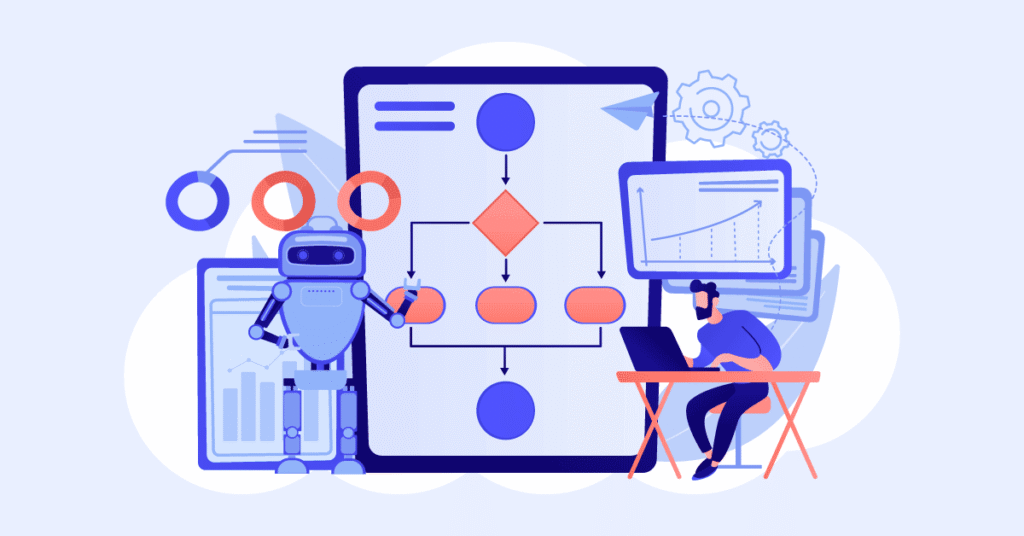
Before we delve into the future of work, it’s essential to understand what workflow automation is. Workflow automation involves the design, execution, and automation of business processes where tasks, information, or documents are passed from one participant to another according to a set of procedural rules. Through automation, businesses can reduce the time spent on tedious tasks, thereby improving efficiency and productivity. Workflow automation can eliminate the need for manual data entry, streamline communication, and ensure transparency.
The Role of Enterprise Workflow Automation Consulting Services
Enterprise workflow automation consulting services play a vital role in helping businesses understand their processes and how they can be optimized. Consultants assess the company’s workflows, identify areas of inefficiency, and recommend solutions to automate these processes. They provide a roadmap for implementing automation, guiding the organization through the transition and ensuring that the new tools are properly integrated with existing systems.
Consulting services also provide training to ensure that staff members understand how to use the new tools and systems. This ensures that the transition is smooth and that the organization can start reaping the benefits of automation immediately.
Replacing Traditional Processes: Excel and Email
Many businesses still rely on traditional tools like Excel and email for their workflows. While these tools can be useful, they often lead to inefficiencies. For example, data entry in Excel is time-consuming and error-prone, while email communication can lead to information getting lost or overlooked.
Workflow modernization consulting to replace Excel and email processes can help businesses transition to more efficient tools. Consultants can identify the best technologies to replace these tools, ensuring that they are tailored to the organization’s specific needs and processes. Transitioning from Excel and email to automation tools can significantly improve communication, data management, and overall productivity.
The Benefits of Workflow Automation
Workflow automation has numerous benefits. These include improved efficiency, as tasks are completed faster and with less effort. Automation reduces the risk of errors associated with manual tasks, ensuring that work is completed accurately. Workflow automation also improves transparency, as every step in the process is clearly documented. This makes it easier to track progress and identify bottlenecks.
Furthermore, workflow automation can lead to cost savings. By reducing the time spent on manual tasks, employees can focus on more valuable activities. This can lead to increased productivity and profitability.
Use Cases of Workflow Automation
Workflow automation can be applied in various areas. For example, in human resources, automation can streamline the recruitment process. Tasks such as resume screening and scheduling interviews can be automated, saving time and ensuring that the best candidates are selected.
In finance, automation can streamline processes such as invoice processing and expense reporting. This ensures that payments are made on time and that financial data is accurate and up-to-date.
In customer service, automation can improve response times and customer satisfaction. For example, automated responses to common questions can free up time for customer service representatives to handle more complex issues.
Conclusion
Enterprise workflow automation represents a significant shift in the way businesses operate. By automating repetitive tasks, businesses can improve efficiency, reduce errors, and save costs. However, transitioning to automated workflows can be challenging. This is where enterprise workflow automation consulting services come in. By providing expert advice and guidance, these services can help businesses navigate the transition and reap the benefits of automation.
FAQs
What is workflow automation?
Workflow automation is the process of automating manual tasks in a business process. This involves using technology to execute routine tasks, streamline processes, and improve efficiency.
What are some examples of workflow automation?
Examples of workflow automation include automating the recruitment process in HR, streamlining invoice processing in finance, and improving response times in customer service.
What are the benefits of workflow automation?
The benefits of workflow automation include improved efficiency, reduced errors, increased transparency, and cost savings. It also allows employees to focus on more valuable tasks, leading to increased productivity and profitability.
How can enterprise workflow automation consulting services help my business?
Enterprise workflow automation consulting services can help your business understand its processes, identify inefficiencies, and recommend solutions for automation. They can guide you through the transition to automation, providing training and support to ensure that the new systems are properly integrated and used effectively.