


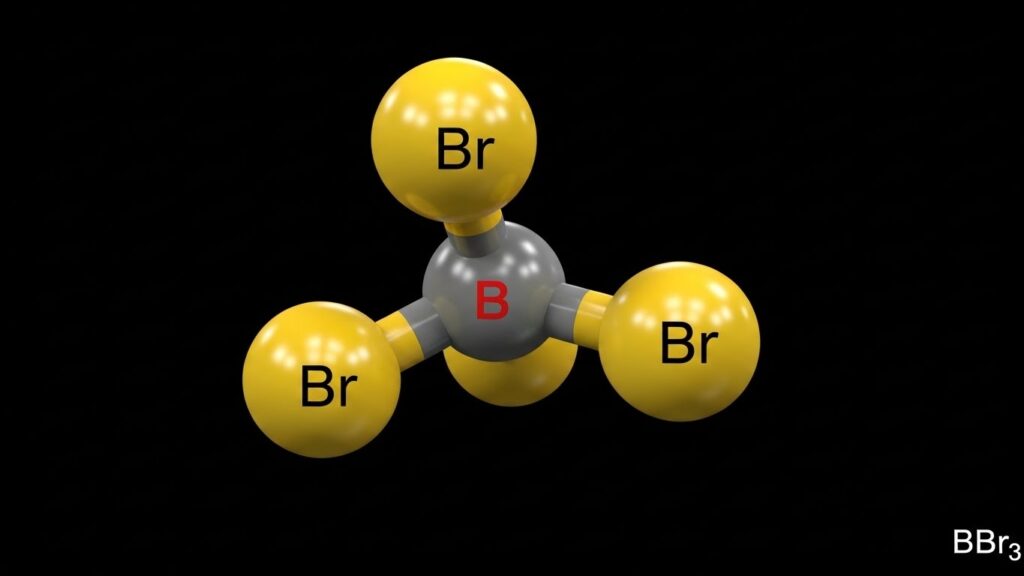
When working with hazardous chemicals, guessing is dangerous. That’s why the Bromine SDS exists. A Safety Data Sheet isn’t just paperwork—it’s a survival guide. Bromine is powerful, useful, and risky all at once, and understanding its SDS can mean the difference between safe handling and serious harm.
Think of a Bromine SDS as a map. Without it, you’re walking blind through a chemical minefield.
Introduction to Bromine SDS
Bromine is widely used in industries like water treatment, pharmaceuticals, flame retardants, and chemical manufacturing. But with that usefulness comes responsibility. Bromine is corrosive, toxic, and highly reactive—meaning it demands respect.
A Bromine SDS provides that respect in written form.
What Is Bromine?
Bromine is a reddish-brown liquid element with a strong, irritating odor. It’s one of the few elements that exists as a liquid at room temperature and is part of the halogen family.
Basic Chemical Properties of Bromine
Bromine is:
-
Highly corrosive
-
Volatile
-
Toxic by inhalation
-
Reactive with many substances
It doesn’t forgive carelessness.
What Is an SDS (Safety Data Sheet)?
An SDS is a standardized document that communicates essential information about a chemical’s hazards and safe handling procedures.
Purpose of a Safety Data Sheet
An SDS exists to:
-
Protect workers
-
Prevent accidents
-
Provide emergency guidance
-
Meet legal compliance
In short, it tells you what can go wrong—and how to stop it.
Why Bromine SDS Is Critically Important
Health, Safety, and Environmental Risks
Bromine exposure can cause:
-
Severe skin burns
-
Eye damage
-
Respiratory distress
-
Long-term organ damage
Without an SDS, these risks remain invisible until it’s too late.
Structure of a Bromine SDS
Overview of the 16 SDS Sections
Every Bromine SDS follows a globally standardized 16-section format. This ensures consistency no matter where the chemical is used.
Structure brings clarity when chaos strikes.
Section 1: Identification
This section includes:
-
Chemical name
-
Product identifier
-
Supplier details
-
Emergency contact numbers
It answers the question: What is this substance and who do I call if something goes wrong?
Section 2: Hazard Identification
GHS Classification and Signal Words
Bromine typically carries:
-
Signal Word: Danger
-
Hazard pictograms for corrosion and toxicity
This section is your first warning sign—bright, loud, and impossible to ignore.
Section 3: Composition and Ingredients
This section confirms bromine concentration and purity. For mixtures, it lists hazardous components and their percentages.
Transparency saves lives.
Section 4: First-Aid Measures
Inhalation, Skin, Eye, and Ingestion Risks
First-aid instructions include:
-
Immediate removal from exposure
-
Rinsing skin or eyes with water
-
Seeking urgent medical attention
This section is your emergency script—follow it exactly.
Section 5: Fire-Fighting Measures
Although bromine itself is not flammable, it can intensify fires and react dangerously with other materials.
Firefighters must use proper protective gear and suitable extinguishing methods.
Section 6: Accidental Release Measures
Spill Response and Containment
Spill guidance includes:
-
Evacuating the area
-
Ventilation requirements
-
Neutralization procedures
-
Proper cleanup methods
Spills are chaos—this section restores order.
Section 7: Handling and Storage
This section outlines:
-
Safe handling techniques
-
Storage temperature requirements
-
Incompatible materials
Bromine should be stored like a loaded weapon—secured and respected.
Section 8: Exposure Controls and PPE
Personal Protective Equipment for Bromine
Recommended PPE includes:
-
Chemical-resistant gloves
-
Face shields
-
Protective clothing
-
Respiratory protection
No PPE means no permission.
Section 9: Physical and Chemical Properties
This section lists:
-
Appearance
-
Odor
-
Boiling point
-
Vapor pressure
Knowing how bromine behaves helps predict how it might misbehave.
Section 10: Stability and Reactivity
Bromine reacts violently with:
-
Metals
-
Organic compounds
-
Reducing agents
This section answers: What should bromine never meet?
Section 11: Toxicological Information
Toxicity data covers:
-
Acute exposure
-
Chronic effects
-
Routes of exposure
This is the “what happens to the body” chapter.
Section 12: Ecological Information
Bromine is harmful to aquatic life and ecosystems. Releases into water systems must be avoided.
Environmental damage doesn’t stay local—it spreads.
Section 13: Disposal Considerations
Disposal instructions emphasize:
-
Regulatory compliance
-
Specialized waste handling
-
Environmental protection
You can’t just pour bromine away and forget it.
Section 14: Transport Information
This section covers:
-
UN number
-
Transport hazard class
-
Packaging requirements
Moving bromine safely matters as much as using it safely.
Section 15: Regulatory Information
Lists applicable safety, health, and environmental regulations.
Compliance isn’t optional—it’s mandatory.
Section 16: Other Information
Includes:
-
Revision dates
-
SDS preparation details
-
Additional notes
Always check the latest version.
Common Mistakes When Reading a Bromine SDS
Common errors include:
-
Skipping sections
-
Ignoring PPE requirements
-
Assuming familiarity equals safety
-
Using outdated SDS versions
Confidence without knowledge is dangerous.
Who Must Use and Understand a Bromine SDS
Anyone who:
-
Handles bromine
-
Stores bromine
-
Transports bromine
-
Supervises chemical work
If bromine is near you, the SDS should be too.
How to Use a Bromine SDS in the Workplace
Effective use includes:
-
Training employees
-
Keeping SDS accessible
-
Reviewing before use
-
Using it during emergencies
An SDS locked away is useless.
Conclusion
A Bromine SDS is more than a regulatory document—it’s a safety blueprint. Bromine is a powerful chemical with serious risks, but those risks are manageable when knowledge leads the way. Understanding every section of the SDS empowers workers, protects the environment, and prevents accidents. In chemical safety, information isn’t optional—it’s essential.
FAQs – Bromine SDS
1. What is a Bromine SDS used for?
It provides safety, handling, emergency, and regulatory information for bromine.
2. Is bromine considered a hazardous chemical?
Yes. Bromine is toxic, corrosive, and dangerous without proper controls.
3. Who is required to read a Bromine SDS?
Anyone handling, storing, transporting, or supervising bromine use.
4. How often should a Bromine SDS be updated?
Whenever new safety or regulatory information becomes available.
5. Can bromine be handled safely?
Yes—when proper training, PPE, and SDS guidance are strictly followed.

