


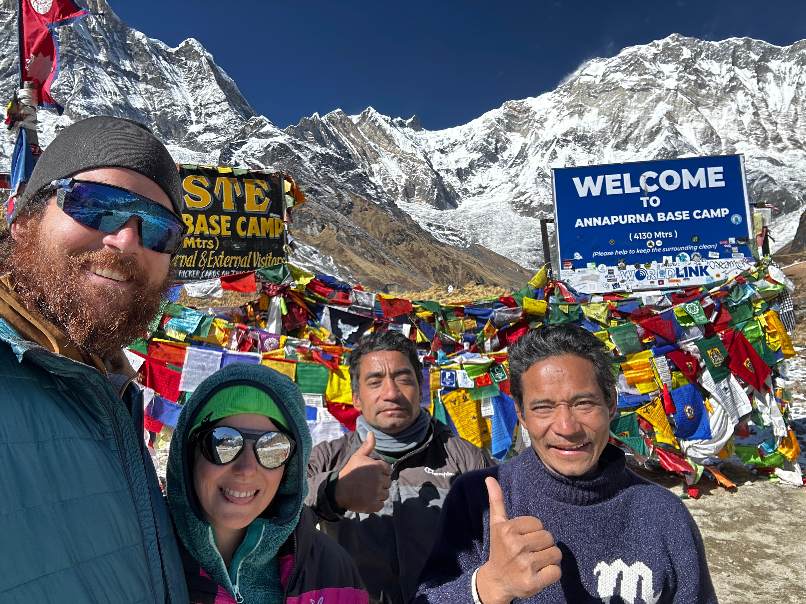
Embarking on the Annapurna Base Camp (ABC) trek is a dream for many. The journey through rhododendron forests, traditional Gurung villages, and into the heart of the Himalayas offers an unparalleled experience. However, the success and safety of your trek hinge on a single, critical decision: your choice of operator. With hundreds of companies offering similar itineraries, selecting the right partner can feel overwhelming.
The right trekking company transforms a challenging hike into a seamless, enriching adventure. The wrong one can lead to logistical headaches, safety compromises, and a diminished experience. Your decision should go beyond comparing prices on a website. It requires a deeper evaluation of a company’s operational integrity, ethical standards, and commitment to client welfare.
This guide provides a clear framework to assess and choose the best trekking company in Nepal for your upcoming Annapurna Base Camp trek. We’ll examine the key factors that separate reputable operators from the rest, ensuring your investment leads to memories you’ll treasure, not regret.
Defining Your Priorities and Budget
Before you begin researching companies, define what matters most to you. Are you seeking the lowest possible cost, or is premium service and safety your top priority? Your budget will naturally filter your options, but understanding the cost structure is essential.
A budget trek often means larger groups, basic lodging, and potentially less experienced guides. Mid-range options typically offer better guide-to-client ratios, improved accommodation in towns like Ghorepani, and more inclusive pricing. Luxury or premium operators provide the highest service standards, including the best available teahouses, emergency contingency plans, and often, Western-guided elements.
Be wary of prices that seem too good to be true. They often are. A rock-bottom quote may exclude necessary permits, guide and porter salaries, insurance, and even meals. Always request a detailed, written breakdown of what is included. A transparent, reputable trekking company in Nepal will provide this without hesitation.
Vetting Company Credentials and Safety Protocols
This is the most critical area of your research. A company’s official credentials are non-negotiable.
Legal Registration and Affiliations Ensure the company is registered with the Government of Nepal, the Department of Tourism, and holds a valid Trekking Agency Association of Nepal (TAAN) license. Membership in the Nepal Mountaineering Association (NMA) is also a strong positive indicator. These affiliations require adherence to certain standards and provide avenues for redress if issues arise.
Guide Certification and Experience Inquire specifically about guide qualifications. The best guides hold licenses from the Nepal Academy of Tourism and Hotel Management (NATHM) or equivalent. More importantly, ask about their experience on the ABC route. How many times have they completed this specific trek? How do they handle altitude sickness emergencies? A great company will proudly detail their team’s expertise.
Safety Infrastructure What is the company’s emergency response plan? Do they carry a comprehensive first-aid kit and a portable altitude chamber (Gamow bag) on all treks? What is their protocol for evacuation? Reliable operators have established relationships with helicopter rescue services and carry insurance that covers emergency evacuation. Don’t hesitate to ask for details.
Evaluating Sustainability and Ethical Practices
The Annapurna region is a fragile ecosystem supporting local communities. Your chosen company’s operational philosophy directly impacts it.
Porter Welfare Ethical treatment of porters is a hallmark of a responsible operator. Ask specific questions: Are porters provided with proper footwear, clothing, and weather protection? Is their load limited to the recommended 30kg? Are they insured? Are they accommodated and fed properly? Companies that cut corners on porter welfare often cut corners elsewhere.
Environmental Commitment Look for companies that practice “Leave No Trace” principles. This includes managing all waste, especially in sensitive areas above the tree line. Some operators go further by organizing clean-up campaigns or contributing to local conservation projects. Supporting a company that prioritizes environmental stewardship helps preserve the trail for future trekkers.
Community Engagement The best operators ensure financial benefits reach the local communities along the trail. This can include using locally-owned teahouses, sourcing food locally, and possibly supporting community projects like schools or health posts. This sustainable approach ensures your trek has a positive economic impact.
Analyzing Itinerary Details and Client Reviews
The advertised itinerary is a starting point. Scrutinize the details to understand the actual experience on offer.
Acclimatization Strategy A safe ABC itinerary must include proper acclimatization. Be skeptical of itineraries that are significantly shorter than the standard 10-12 days from Pokhara. Rushed ascents significantly increase the risk of Acute Mountain Sickness (AMS). A good schedule will have gradual altitude gains and include well-planned rest days, often in villages like Bamboo or Deurali.
Inclusions and Exclusions Cross-reference the cost breakdown with the itinerary. Standard inclusions are: all permits (ACAP and TIMS), experienced guide and porter services, all meals during the trek, teahouse accommodation, and ground transportation. Exclusions are typically: personal gear, travel insurance, beverages beyond tea/coffee, tips, and flights or hotels in Kathmandu/Pokhara. Clarity here prevents unexpected costs.
The Power of Authentic Reviews Read reviews across multiple platforms like TripAdvisor, Google, and dedicated trekking forums. Look for detailed reviews that discuss guide competence, food quality, and problem resolution. Pay attention to how the company responds to negative feedback. A pattern of complaints about broken promises, poor equipment, or unprofessional guides is a major red flag. Consistent praise for guides named by multiple reviewers is a very strong positive sign. For a detailed look at a classic, well-paced itinerary, you can review a standard Annapurna Base Camp Trek plan.
The Decision: Making Direct Contact
Once you’ve shortlisted 2-3 companies, initiate direct contact. This interaction is a final, crucial test.
Assess Communication Note their responsiveness, clarity, and willingness to answer your detailed questions. Are they patient and informative? Vague, slow, or pressured responses are warning signs. A professional company will view your questions as reasonable and welcome them.
Ask Final Clarifying Questions Confirm your guide’s experience level. Ask for a sample packing list. Verify the group size if you’re joining a fixed departure. Discuss payment terms and cancellation policies. A trustworthy operator will provide clear, confident answers.
Trust your instincts. The company that demonstrates professionalism, transparency, and a genuine passion for the mountains throughout this process is likely to be the right partner for your journey.
Frequently Asked Questions
How far in advance should I book my ABC trek?
For peak seasons (Spring: March-May, Autumn: October-November), aim to book 4-6 months in advance, especially if you have specific date requirements. This ensures availability with the best companies and guides. For off-peak seasons, 2-3 months is usually sufficient.
Is a guide mandatory for the Annapurna Base Camp trek?
While not legally mandatory, hiring a guide is highly recommended. A licensed guide ensures navigation, manages permits, facilitates communication with teahouses, monitors your health for altitude sickness, and enriches the experience with cultural and natural history insights. They are a critical safety asset.
What is the typical group size for an ABC trek?
With reputable operators, group sizes typically range from 4 to 12 trekkers. Smaller groups (6-8 people) allow for more personalized attention, a better pace, and easier logistics at teahouses. Always confirm the maximum group size before booking.
What physical fitness level is required?
The ABC trek is considered moderate-to-challenging. You should be capable of walking 5-7 hours per day for consecutive days, with significant elevation gains and losses. The best preparation is regular cardiovascular exercise (hiking, running, cycling) and leg-strengthening workouts for 2-3 months prior.
What happens in case of a medical emergency?
A professional company will have a clear protocol: immediate first aid by the trained guide, communication via satellite phone or local network to their office, assessment for descent, and coordination of helicopter evacuation if required. Ensure your own travel insurance covers high-altitude trekking and emergency evacuation.
Are solo trekkers accepted, and will I pay more?
Most companies accept solo trekkers, often by placing them into an existing group departure. Solo travelers usually pay a “single supplement” if they require a private room in teahouses (where available). Some operators may charge a small additional fee for organizing a solo placement.
Conclusion
Choosing the right trekking company for your Annapurna Base Camp adventure is a decision that warrants careful time and research. It is the foundation upon which your entire experience is built. By systematically evaluating credentials, safety practices, ethical standards, and client feedback, you move beyond marketing claims to identify a truly reliable operator.
The goal is to select a partner that prioritizes your safety, respects the local environment and culture, and possesses the deep logistical expertise to manage the trek’s challenges seamlessly. This due diligence ensures that when you stand at the base of the towering Annapurna sanctuary, you can fully immerse yourself in the moment, confident that your journey was in capable hands from the very first step.
