

Local business intelligence has become the cornerstone of effective marketing strategies, sales prospecting, and market research. Companies that can efficiently gather, organize, and analyze location-based business data gain a decisive competitive advantage. Traditional manual methods of collecting business information from online directories are time-consuming and prone to errors. Modern technology has introduced automated solutions that can extract thousands of business records in minutes rather than weeks.
The ability to access accurate, up-to-date local business information at scale opens new possibilities for B2B sales teams, marketing agencies, and entrepreneurs. Whether you’re building targeted outreach campaigns, conducting competitive analysis, or identifying expansion opportunities, transforming local business data extraction from a manual chore into an automated process changes everything. This article explores how high-speed scraping technology reshapes the landscape of business intelligence gathering.
The Limitations of Manual Data Collection
Manual business data collection represents a significant bottleneck for growing organizations. A single researcher might spend 8-10 hours compiling contact information for just 100-200 businesses. This process involves visiting individual business listings, copying details into spreadsheets, and verifying accuracy. The cost per lead quickly becomes unsustainable.
Beyond time constraints, manual collection introduces human error. Transcription mistakes, outdated information, and inconsistent formatting plague manually compiled databases. When sales teams rely on flawed data, they waste valuable time on disconnected numbers and incorrect email addresses. The opportunity cost of these inefficiencies extends far beyond the initial collection effort.
Market conditions change rapidly. A manually compiled database becomes obsolete within months as businesses relocate, close, or update their contact information. Organizations need real-time data collection capabilities to maintain competitive intelligence that actually drives results.
How High-Speed Scraping Technology Works
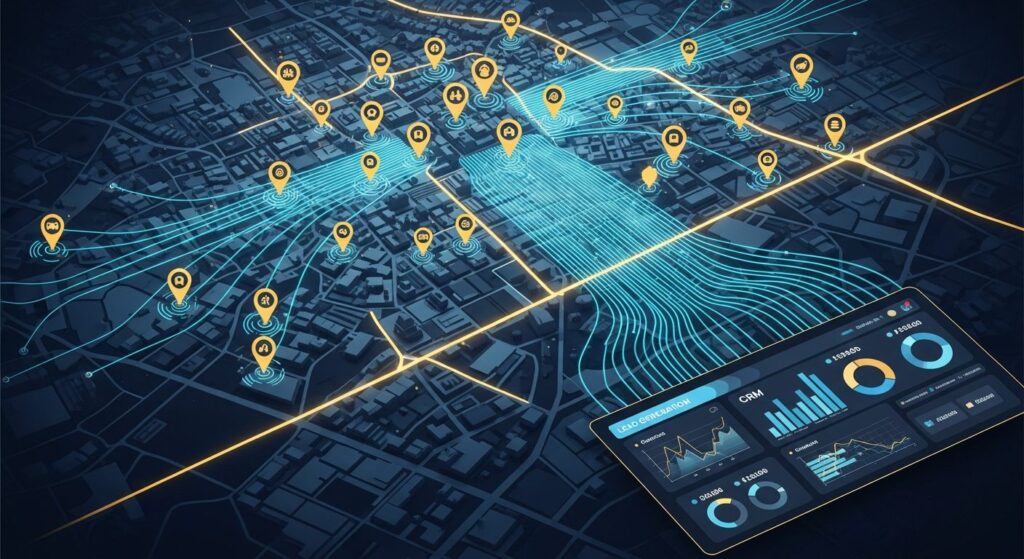
Modern scraping solutions leverage advanced algorithms to navigate online business directories systematically. These tools identify business listings based on specific search parameters—industry categories, geographic locations, ratings, and other filters. Once configured, the software automatically extracts relevant data fields including business names, addresses, phone numbers, websites, operating hours, and customer reviews.
A Google Maps Scraper operates by mimicking human browsing behavior while processing information at superhuman speeds. The technology can parse hundreds of listings per minute, extracting structured data and organizing it into clean, exportable formats. This automation reduces a week-long manual project to a 30-minute automated task.
The extraction process respects rate limits and implements intelligent delays to ensure sustainable operation. Quality scrapers include data validation features that flag incomplete records, verify phone number formats, and identify duplicate entries. The result is a clean, actionable database ready for immediate use in CRM systems or marketing platforms.
Key Applications for Local Business Data
Sales prospecting represents the most common application for extracted business data. B2B companies use location-specific business information to build targeted outreach lists. A software company selling point-of-sale systems might extract data on all restaurants within a 50-mile radius, then segment by cuisine type and customer rating to prioritize high-potential prospects.
Marketing agencies leverage business data to offer location-based advertising services. By analyzing business density, category saturation, and competitive positioning, agencies develop data-driven strategies for their clients. A commercial real estate firm might use extracted data to identify underserved markets or evaluate the business ecosystem surrounding potential development sites.
Competitive intelligence gathering benefits enormously from automated extraction. Companies track competitor locations, expansion patterns, and customer sentiment by monitoring review data over time. This intelligence informs strategic decisions about market entry, pricing strategies, and service differentiation.
Advantages of Automated Extraction Systems
Speed represents the most obvious advantage. What once required weeks of manual labor now completes in hours or minutes. This velocity enables businesses to act on opportunities before competitors even identify them. A Google Maps Scraper Tool can compile 10,000 business records faster than a human can manually process 100.
Scalability transforms business development operations. Small teams can now execute data collection projects that previously required entire departments. A three-person startup can build prospect databases as comprehensive as those maintained by enterprise organizations with dedicated research teams.
Consistency and accuracy improve dramatically with automation. Scrapers don’t experience fatigue, don’t make transcription errors, and apply the same extraction logic to every record. Data validation rules catch formatting issues immediately, ensuring database quality remains high.
Cost efficiency makes sophisticated market research accessible to organizations of all sizes. The per-record cost of automated extraction is a fraction of manual collection expenses. Companies redirect those savings toward analysis, strategy development, and actual customer engagement rather than data gathering.
Selecting the Right Scraping Solution
Not all scraping tools deliver equal results. Evaluation criteria should include extraction speed, data accuracy, supported platforms, export formats, and update frequency. The best solutions offer customizable search parameters that let users define exactly which business types and locations to target.
User interface design matters significantly. Business users without technical backgrounds need intuitive controls and clear documentation. The learning curve should be minimal, allowing team members to execute data collection projects independently within hours of first use.
Compliance features deserve careful consideration. Responsible scraping tools implement rate limiting, respect robots.txt files, and provide transparent data sourcing. Organizations must ensure their data collection practices align with applicable regulations and platform terms of service.
Integration capabilities extend the value of extracted data. Look for solutions that export to standard formats like CSV, Excel, or JSON. API access enables direct integration with CRM platforms, marketing automation tools, and custom applications.
Best Practices for Data Extraction Projects
Define clear objectives before beginning any extraction project. Specify the geographic area, business categories, data fields, and quality thresholds. Well-defined parameters ensure you collect relevant information without overwhelming your systems with unnecessary data.
Implement data verification workflows. Even the best automated tools occasionally capture incomplete or inaccurate records. Establish processes to validate critical fields like phone numbers and email addresses before incorporating data into outreach campaigns.
Maintain extraction schedules appropriate to your use case. Businesses targeting rapidly changing industries might refresh data monthly, while those in stable sectors can work with quarterly updates. Regular refreshes ensure your intelligence remains current and actionable.
Respect privacy and compliance requirements. Use extracted data only for legitimate business purposes. Implement proper data security measures and provide opt-out mechanisms in your communications. Ethical data practices protect your reputation and ensure long-term sustainability.
Measuring ROI from Automated Data Collection
Track time savings as your primary efficiency metric. Document the hours previously spent on manual collection versus automated extraction time. Multiply saved hours by loaded labor costs to calculate direct savings.
Monitor lead quality metrics including contact accuracy, response rates, and conversion percentages. High-quality extracted data should produce better results than manually compiled lists. Compare campaign performance using automated versus manual data sources.
Calculate cost per lead for extracted data versus alternative acquisition methods. Include software costs, labor for setup and verification, and data storage expenses. Most organizations find automated extraction delivers leads at 60-80% lower cost than manual methods or purchased lists.
Assess strategic advantages that quantitative metrics don’t capture. The ability to respond quickly to market opportunities, test new geographic markets without major investment, or conduct comprehensive competitive analysis creates value that transcends simple ROI calculations.
Frequently Asked Questions
Is automated business data extraction legal?
Automated extraction of publicly available business information is generally legal when conducted responsibly. However, users must comply with platform terms of service, respect rate limits, and adhere to data protection regulations like GDPR. Always consult legal counsel regarding your specific use case and jurisdiction.
How accurate is scraped business data compared to manual collection?
Quality scraping tools typically achieve 95%+ accuracy for basic fields like business names, addresses, and phone numbers. Accuracy depends on source data quality and extraction configuration. Automated methods often exceed manual collection accuracy by eliminating transcription errors and applying consistent validation rules.
Can small businesses benefit from data scraping technology?
Absolutely. Modern scraping solutions have democratized access to business intelligence previously available only to large enterprises. Small businesses use extracted data for local market analysis, competitive research, and targeted outreach campaigns. The cost per lead makes sophisticated prospecting accessible to organizations of any size.
What data fields can typically be extracted from business listings?
Standard extraction includes business name, address, phone number, website URL, category/industry, operating hours, and geographic coordinates. Advanced scrapers also capture customer ratings, review counts, review text, price range indicators, and attribute tags. The specific fields available depend on the source platform and listing completeness.
How often should business databases be updated?
Update frequency depends on your industry and use case. High-velocity sectors like restaurants and retail benefit from monthly updates. B2B service providers can typically work with quarterly refreshes. Establish a schedule based on how quickly your target market changes and how sensitive your campaigns are to outdated information.
Do I need technical skills to use business data scraping tools?
Most modern scraping platforms are designed for business users without programming knowledge. Intuitive interfaces guide users through configuration, extraction, and export processes. Basic computer literacy and familiarity with spreadsheets are typically sufficient. Advanced customization may require technical assistance, but standard operations remain accessible to non-technical users.
Conclusion
Transforming local business data extraction from a manual process to an automated system represents a fundamental shift in how organizations approach market intelligence. High-speed scraping technology eliminates the time, cost, and accuracy barriers that previously limited comprehensive business data collection to well-resourced enterprises. Today, any organization can build detailed, current databases of local businesses to fuel sales prospecting, competitive analysis, and strategic planning.
The competitive landscape continues to reward speed and precision. Companies that leverage automated extraction tools respond faster to market opportunities, execute more targeted campaigns, and make data-driven decisions with confidence. As business intelligence becomes increasingly central to success across industries, the ability to efficiently gather and analyze local business data transitions from competitive advantage to operational necessity. Organizations that embrace these capabilities position themselves to thrive in increasingly data-driven markets.